.png)
We’ve known for a while that fandoms drive rabid love for brands, teams and artists alike. And in 2026, entertainment giants are catching up, even as creators take engagement to the street level.
Earlier this year, Universal Music Group announced a multi-year partnership with EVEN, a direct-to-fan platform designed to give artists the infrastructure to own their relationships with their most devoted listeners.
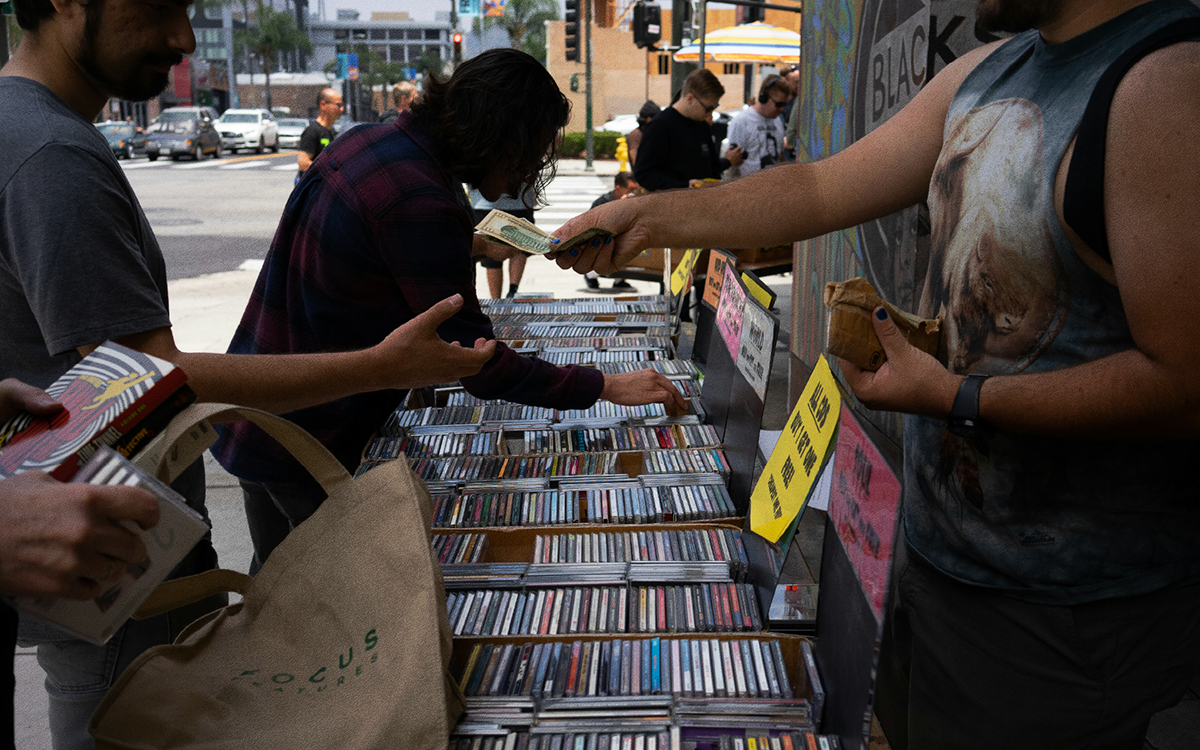
Around the same time, J. Cole, one of the biggest artists in hip-hop, loaded boxes of CDs into the trunk of a Honda Civic and drove city to city, selling his new album hand-to-hand to fans who lined up in parking lots just to be in the same space as him. Two very different approaches. One shared insight: In today’s culture, fidelity is more valuable than reach.
At PETERMAYER, we've been watching this shift closely. Our “Year of the Fan” research found that 72% of Americans who identify as fans say their fandom makes them feel part of something bigger than themselves. Among die-hard fans, 69% say their fandom directly influences the brands and products they choose.
These signals reveal a concentrated, emotionally invested, commercially active community. But fandoms are not new. They've been here all along, waiting for brands and artists to meet them where they are.
The music industry is learning this the hard way. For two decades, streaming optimized for scale measured through monthly listeners, algorithmic reach and passive consumption. The numbers looked healthy, but the relationships weren't.
UMG's partnership with EVEN signals an acknowledgment that the era of broadcasting to audiences is giving way to something more durable: building communities with people who have already decided they care.
And this pattern isn't unique to music. The brands winning right now, whether it be in sports, retail, or even consumer goods, are the ones that stopped treating their most loyal customers as an audience segment and started treating them as a community with its own culture, rituals and identity. Look at the way McDonald’s has turned fan truths into marketing or how LEGO turns fan ideas into new products.
Fans who buy into brands on this level do so for the same reason they support musicians or teams. They’re rewarded with a sense of belonging. And belonging, unlike impressions, compounds over time.
In this economy, participation is the new loyalty.
J. Cole selling CDs from a trunk is proof in action. When you've spent years building genuine fidelity for your core audience rather than just visibility, you don't need a platform to activate it. All you really need is a parking lot and some time. The fans will find you and share the message themselves.
The question for brands entering this moment isn't whether fandom matters. Our data makes that case clearly. The real question is whether they're willing to treat it with the seriousness it deserves. Fandom isn't a campaign tactic. It's not an influencer moment or a limited-edition drop. It's an asset class. One that appreciates when nurtured and decays when exploited.
The UMG-EVEN partnership formalized something that was already true. The fans were already there. Now, the infrastructure is catching up.
For brands paying attention, the lesson is simple: The community era is here, and it holds powerful potential. The only question left is whether you'll show up as a participant or try to show up as a possessor.
Ready to join the community? Download our "Year of the Fan" guide to get your brand started.
Got the Receipts? Americans Seek Control in the Grocery Aisle as Affordability Slips.
A Brand Joy Lab study: 53% of Americans are more stressed about grocery prices, and the joy of catching a deal now outscores the meal it pays for.
Got the Receipts? Americans Seek Control in the Grocery Aisle as Affordability Slips.
A Brand Joy Lab study: 53% of Americans are more stressed about grocery prices, and the joy of catching a deal now outscores the meal it pays for.
Trial by Sleep: Hotels Still Rule the Overnight Stay. But There's Room for Disruption.
A Brand Joy Lab study finds parity in the joy people get from their accommodations — as long as they've tried them first.
Trial by Sleep: Hotels Still Rule the Overnight Stay. But There's Room for Disruption.
A Brand Joy Lab study finds parity in the joy people get from their accommodations — as long as they've tried them first.
The Missing Treat: Americans Love to Treat Themselves. But the Food Industry Is Missing a Big Reason Why.
The treat moment delivers nearly the same joy across incomes, but the category's creative only invites some people to the table. A Brand Joy Lab study.
The Missing Treat: Americans Love to Treat Themselves. But the Food Industry Is Missing a Big Reason Why.
The treat moment delivers nearly the same joy across incomes, but the category's creative only invites some people to the table. A Brand Joy Lab study.


